PEST CONTROL SERVICES:
Fast – Reliable & Safe Pest Removal For Home Owners & Rentals – Move Out Special $35.00 (When Booked With Carpet Cleaning) with Bond back Guarantee Call Today.
We provide our residential pest control customers with the same fast, reliable, effective and hassle free service that our commercial customers enjoy. Our commitment to protecting the environment and our outstanding safety record means you can trust Best1 to deal with any problem, large or small. We always aim to use the minimum amount of products possible so it’s safe to call us even if you have pets or small children in the house. We’ll just make sure they don’t have to share it with any unwelcome visitors.
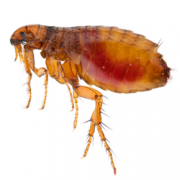
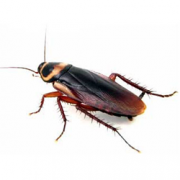
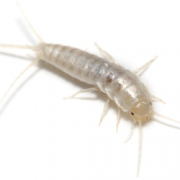
We can help you eliminate:
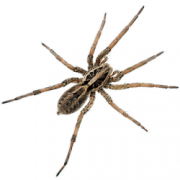
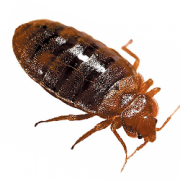
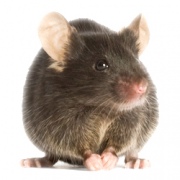
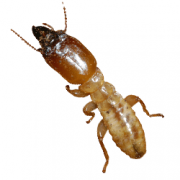
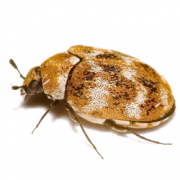
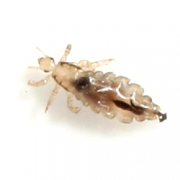
BEST 1 PEST MANAGEMENT PRODUCTS
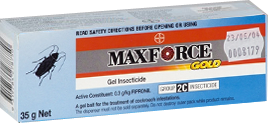
MAXFORCE GOLD
A gel formulation for control of cockroaches in residential and commercial areas by professional pest control operators.
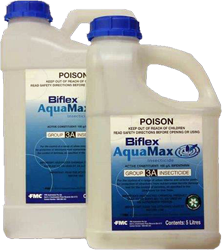
BIFLEX AQUA
An advanced water based 100g/l bifenthrin formulation that is suitable as a termiticide and general insecticide for both interior and exterior application.
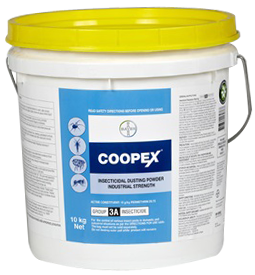
COOPEX DUST
For the control of cockroaches, ants, fleas, silverfish and bed bugs in and around domestic and industrial premises, food preparation and storage areas. Also for control of mushroom flies in mushroom housing and bees in wall cavities.
Aside from Brisbane, Best 1 offers pest control in Gold Coast, Sunshine Coast, Ipswich, Sydney,Melbourne, Adelaide, Darwin, and Perth.
Google Rating
































Brisbane Carpet Cleaning & Pest Control
We use powerful truck mounted machines our carpet cleaning is guaranteed and safe from Brisbane to Ipswich. We are professional and courteous carpet cleaners and we service all suburbs.(07) 3245 5126
Call today for all specials and combined services. We have the best residential or commercial carpet cleaning service deals and prices, so why overpay for quality. From carpet stains and dirt removal, dust mites treatment through to full house cleaning we have got you covered.
About Our Carpet Cleaning Process
Whether it be carpet steam cleaning, upholstery cleaning, leather cleaning, rug cleaning, or general steam cleaning, using our state of the art powerful truck mount machines & portable machines the drying time on your cleaned carpets and similar items can be as little as 30 mins! 24hrs a Day 7 Days a week